
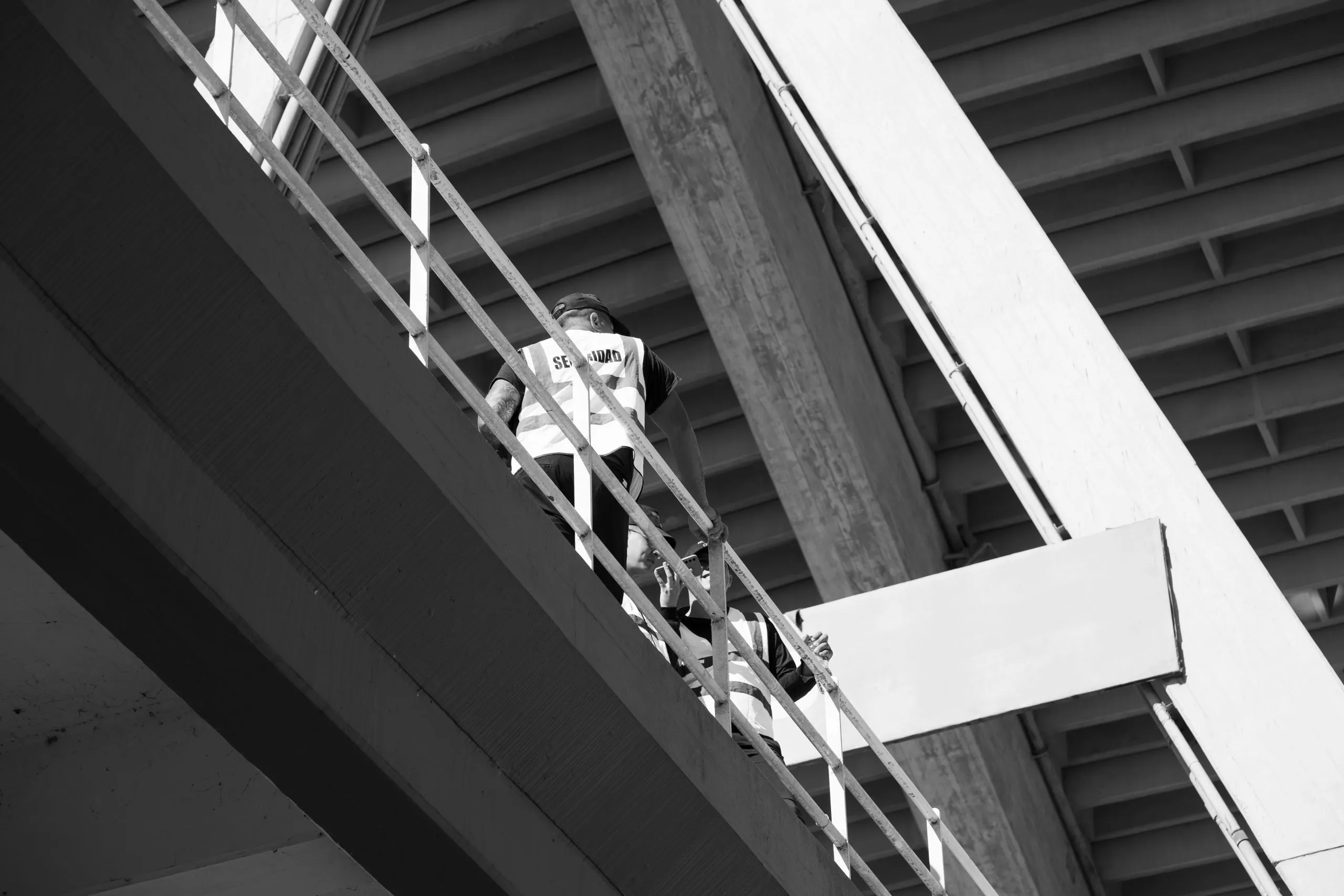
Workplace security protects more than buildings and equipment. It also helps protect employees, visitors, confidential information, and the continuity of day-to-day operations.
While every workplace has different risks, there are several practical measures organisations can implement to strengthen security and reduce avoidable vulnerabilities.
1. Review Who Has Access to the Workplace
Access permissions should be limited to people who genuinely need them.
Electronic access systems, key cards, or controlled entry points can make it easier to manage who enters different areas of a building.
Permissions should be reviewed whenever employees change roles or leave the organisation.
2. Improve Visitor Management
Visitors should not be able to move freely through restricted workplace areas without appropriate authorisation.
A clear visitor process may include:
- Signing in at reception
- Providing identification where appropriate
- Wearing a visitor pass
- Recording arrival and departure times
- Being escorted in restricted areas
Contractors and temporary workers should follow similar procedures.
3. Install CCTV in High-Risk Areas
CCTV can help discourage unwanted behaviour and provide useful evidence following an incident.
Priority areas often include building entrances, reception areas, car parks, storage areas and loading zones.
Camera placement should be reviewed carefully to ensure important areas are clearly visible.
4. Keep Entrances Well Lit
Exterior lighting can have a major impact on security.
Entrances, pathways, car parks and service areas should have sufficient lighting, particularly when employees arrive or leave outside normal working hours.
Good lighting can also improve CCTV image quality.
5. Encourage Employees to Report Concerns
Employees are often the first people to notice unusual behaviour.
Staff should know how to report issues such as unknown individuals, damaged doors, suspicious activity or missing access cards.
Creating a simple reporting process makes it more likely that potential problems are addressed quickly.
6. Secure Sensitive Areas
Server rooms, stock rooms, document storage areas and other sensitive locations should have additional access restrictions where necessary.
Access should be limited according to job responsibilities rather than being available to everyone within the workplace.
7. Maintain Doors, Locks and Barriers
Physical security measures are easy to overlook.
Doors that do not close correctly, damaged locks, broken gates, or faulty access readers can create obvious weaknesses.
Regular inspections can identify these problems before they contribute to a security incident.
8. Protect the Workplace Outside Normal Hours
Security risks often increase when buildings have fewer people inside.
Organisations should review what happens after employees leave.
This may include monitored alarms, CCTV surveillance, scheduled security patrols, automated lighting or procedures for employees working late.